
Check the 2026 external audit requirements in Korea, including asset, revenue, liability, employee and limited-company thresholds.
02
Aug
Aug
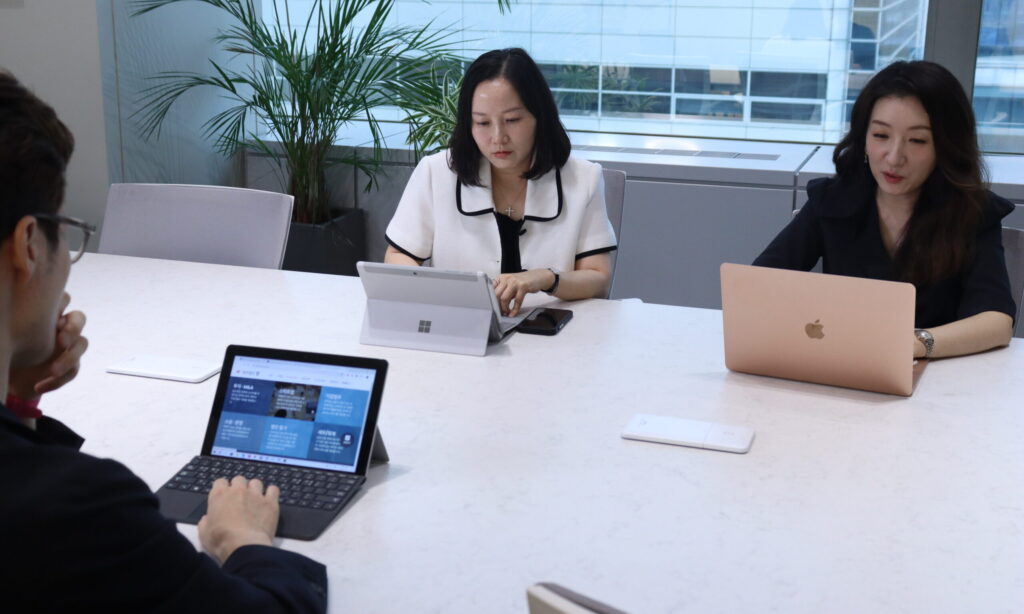
On one of the hottest summer days in 2024 — during what felt like the longest heatwave ever in Korea — we gathered in the cool of our conference room for another important discussion. The heat outside wasn’t going to slow us down. Who was there? Mrs. Kang – Chief Partner at Star Law […]
Establishing a Limited Liability Company (LLC) in Korea is a common choice for foreign investors due to its less stringent disclosure obligations and restricted share trading. Below is a concise guide outlining the necessary documents and the responsible parties for each step in the process when foreign investors are injecting capital. Initial Requirements Provide Office […]
See 2026 Korea income tax rates, 6%–45% brackets, local income tax, the 19% foreign-worker flat tax and year-end tax settlement rules.
03
Jul
Jul
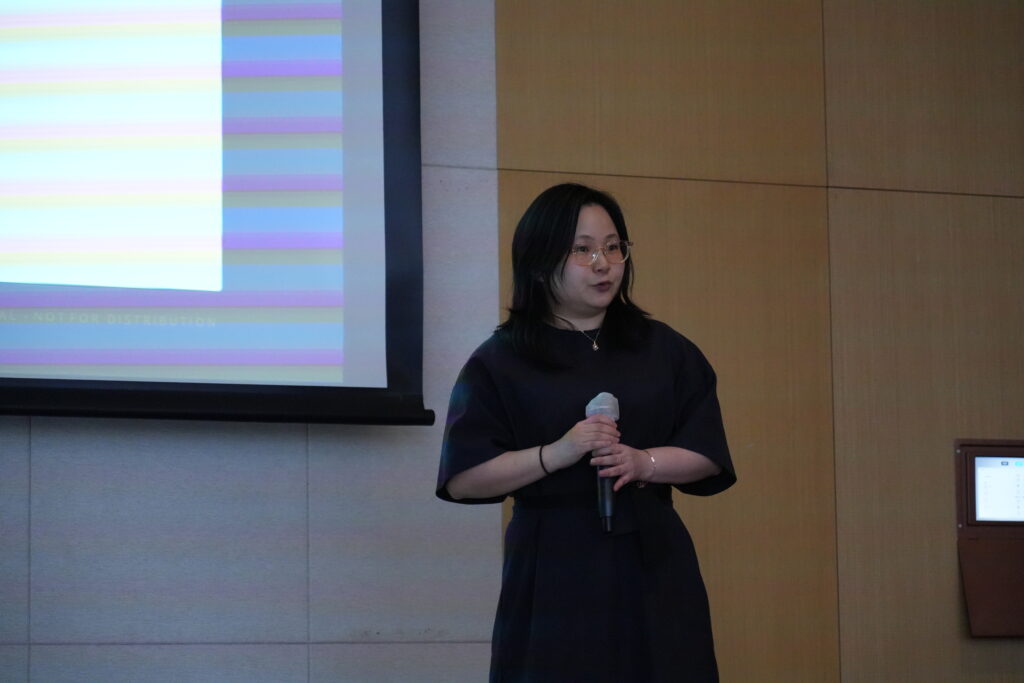
We are thrilled to introduce Hyun Jee (Faith) Kim, a distinguished partner attorney at STAR LAW, specializing in services for foreign clients. With a wealth of experience and a robust educational background, Faith is a key asset to our firm, offering comprehensive legal services that cater to the unique needs of foreign businesses operating […]
03
Jul
Jul
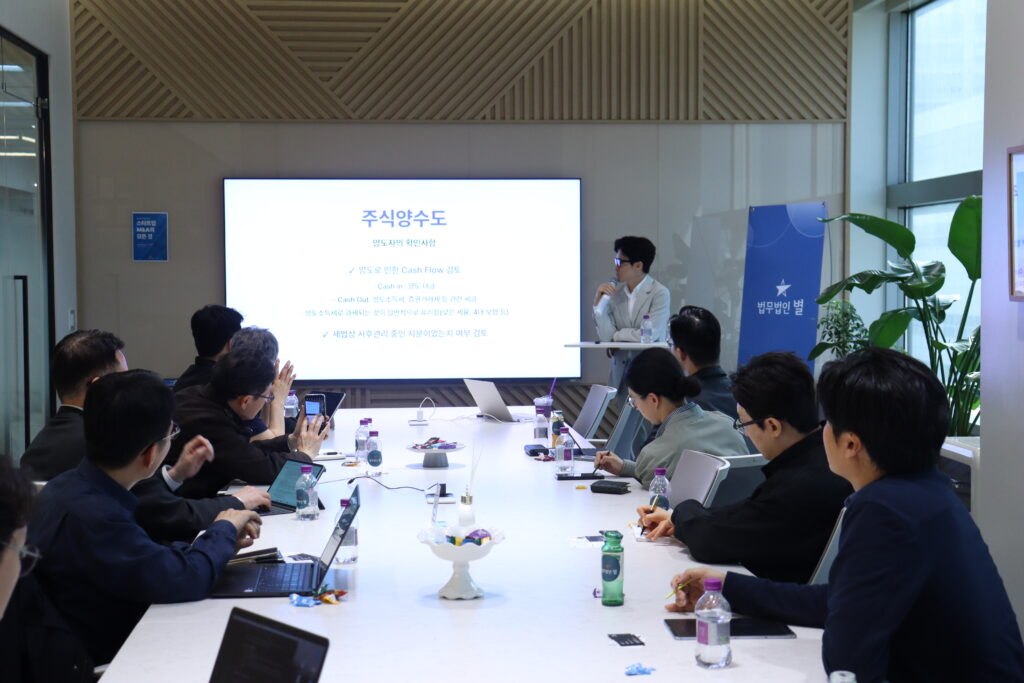
Our clients in Korea have diverse tax advisory needs. Given that our primary clientele is startups, we regularly organize tax seminars to address their unique challenges. A key focus is on the taxation of stock transfers, a crucial area where tax risks must be assessed in advance. The Korean tax authorities closely monitor these […]

03
Jul
Jul
Why Choose Us: Client Perspectives Today, we take a moment to consider why our clients consistently choose our services. Our commitment to excellence and a deep understanding of the intricacies of Korean tax law ensure that we deliver top-notch service to every client. Whether you are a small startup or a large corporation, we tailor […]
In Korea, the standard VAT rate is 10%. Similar to other countries, Korea exempts certain transactions from VAT. Specifically, when a Korean resident company provides services to a foreign entity, VAT can be exempted under the following conditions. It is crucial for foreign corporations engaged in frequent international transactions to understand these criteria, as it […]

02
Jul
Jul
As of May 1, 2024, we are thrilled to announce the formation of STAR GROUP through our collaboration with STAR LAW FIRM. Our core mission is to provide comprehensive assistance to foreign clients navigating legal and tax matters in Korea, drawing on our extensive and diverse expertise. Over the years, we have observed numerous crises […]
In Korea, every business must possess an e-certificate (공인인증서). This electronic identification is essential for interactions with governmental websites, banks, and other entities for company registration verifications. Typically, the bank provides the e-certificate when a company opens a bank account. Below, we’ll explain how to download (you first need to “import” the e-certificate into your […]
06
May
May
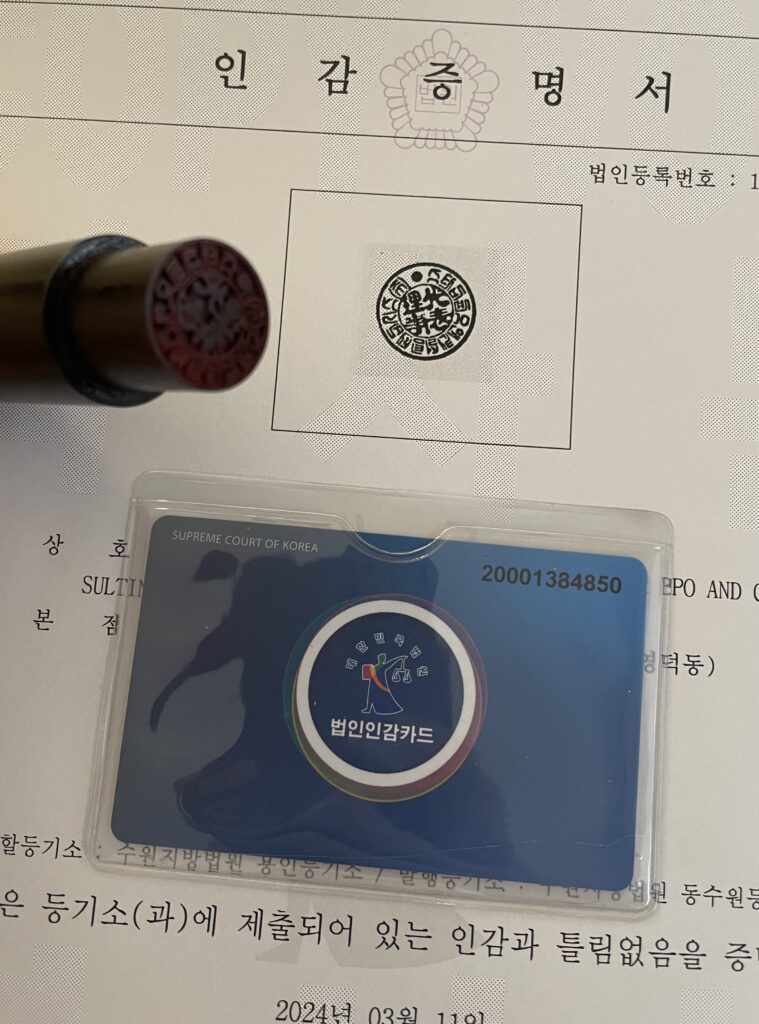
In Korea, the use of electronic signatures is not yet widespread. Instead, it is common practice to rely on a corporate seal registered (법인인감) with the court for various transactions, including the drafting of important contracts and visits to financial institutions. When utilizing a corporate seal, you will be requested to bring the most […]
Closing a business in Korea, whether it’s a domestic corporation (including a LLC) or a foreign branch office, involves several legal and administrative steps. Below is an outline of the corporate dissolution and liquidation process in South Korea, highlighting key steps and requirements. Board Resolution: The initial step in the dissolution process is for the […]
Archived 2023 article. See KTE’s current guide to Korean social insurance contribution rates and payroll services.
In the dynamic world of global business, cross-border mobility of employees has become a norm. Many companies send their employees abroad on assignments, and South Korea is no exception. For foreign employees stationed in Korea, one common practice is the adoption of NET payment contracts. Let’s delve into the concept of NET payment contracts and […]
In South Korea, companies are required to undergo external audits to enhance transparency and ensure responsible management practices. External audits involve an independent review of a company’s financial condition and operational activities, with the audit report prepared in accordance with the External Audit Act. This blog explores the criteria for companies subject to external audit […]